Brainy Vision
ChatFeaturesHow It WorksPricingFAQs
Back to Blog
AI voice agentconversational AIvoice cloningcreator toolsreal-time AIAI assistant

Why Every Creator Needs an AI Voice Agent, Not Just a Clone

Brainy Vision Team September 12, 2026 4 min read
Why Every Creator Needs an AI Voice Agent, Not Just a Clone

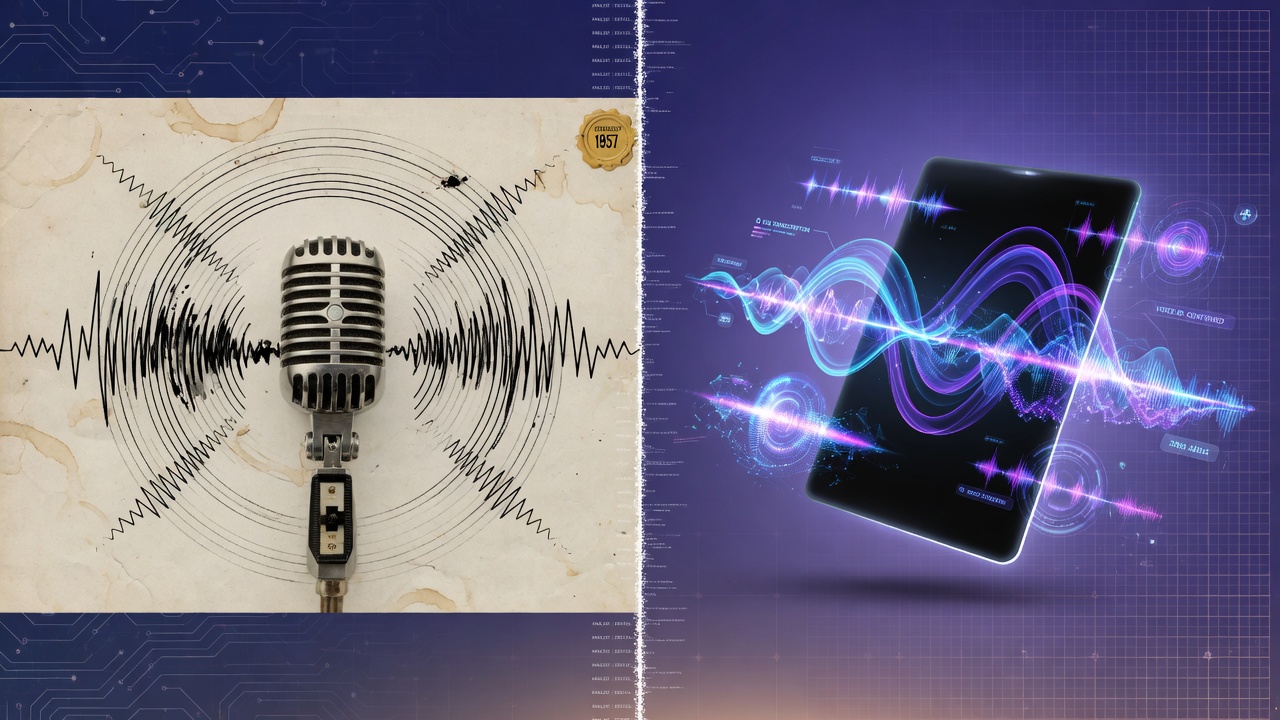
Voice cloning was impressive in 2022. Today? It's table stakes.

Every platform from podcasting tools to social media schedulers now offers some flavor of text-to-speech or voice cloning. You record a few minutes of audio, train a model, and boom—your voice can narrate scripts while you sleep. But here's the problem: a cloned voice is just a recording tool. It reads what you write. It doesn't think, respond, or help you create.

The next frontier isn't better clones. It's AI voice agents—conversational assistants that don't just sound like you, but work for you.

What's the Difference Between Voice Cloning and a Voice Agent?

Let's get specific. Voice cloning (or basic text-to-speech) is a one-way street. You feed it a script, it outputs audio. Perfect for narrating a YouTube video, generating podcast intros, or dubbing content at scale. It's a production tool.

An AI voice agent, on the other hand, is interactive. It listens, processes context, and responds in real time. Think of it less like a narrator and more like a creative collaborator—one that can brainstorm with you, answer audience questions in your voice, or even host live interactions on your behalf.

Here's the shift:

  • Voice cloning = static output. You write, it speaks.
  • AI voice agent = dynamic dialogue. It converses, adapts, and acts.

When you move from cloning to agents, you're not just automating content production. You're unlocking an always-on extension of your creative presence.

Why Conversational AI Assistants Matter for Creators

Creators are drowning in operational work. Responding to DMs, drafting scripts, scheduling posts, fielding the same questions over and over. A conversational AI assistant trained on your voice, style, and knowledge can handle those loops—so you can focus on what actually requires your human intuition.

Imagine this: a fan asks your AI companion app a question about your latest tutorial at 2 a.m. Instead of waiting hours for a reply, they get an instant, thoughtful response in your voice. Not a canned auto-reply. A real conversation.

Or picture this: you're stuck on a video concept. Instead of staring at a blank doc, you open your AI voice agent and talk it out. It asks clarifying questions, suggests angles, and helps you shape the idea—all while sounding like a creative partner, not a robotic assistant.

That's the category shift. Real-time voice AI isn't just about efficiency. It's about presence, scale, and creative leverage.

From Voice Studio to Voice Agent: The Creator's New Stack

Brainy Vision

The ultimate AI-powered creative suite. Generate images, videos, music, and more with cutting-edge AI models.

The modern creator stack is evolving fast. It used to be enough to have a good mic, editing software, and a social media scheduler. Now, the smartest creators are adding three layers:

  1. Voice Studio — where you clone and refine your voice for scripted content (narration, ads, explainers).
  2. Voice Agent — where that voice becomes interactive, handling real-time conversations and creative workflows.
  3. AI Companion App — where your audience can interact with your AI persona anytime, anywhere.

Together, these tools turn your voice from a one-time recording into an ongoing presence. You're not just publishing content. You're creating a persistent creative entity that works while you rest, responds while you're offline, and collaborates while you're focused elsewhere.

When You Need a Clone vs. When You Need an Agent

To be clear: AI voice cloning vs voice agent isn't either/or. Most creators need both. The question is knowing when to use which.

Use voice cloning when:

  • You're narrating a fixed script (videos, audiobooks, ads)
  • You need consistent output at scale (batch content, translations)
  • The workflow is one-directional: text in, audio out

Use a voice agent when:

  • You want to brainstorm, problem-solve, or ideate out loud
  • Your audience expects real-time interaction (live Q&As, DMs, community support)
  • You're building long-term leverage (a companion that grows smarter over time)

The creators who thrive in the next few years won't just be great at making content. They'll be great at deploying their creative presence across contexts—scripted and spontaneous, async and real-time.

The Bigger Picture: Why This Shift Matters Now

We're moving from a content economy to a presence economy. Audiences don't just want your videos or posts—they want access, dialogue, and connection. But you can't scale human attention.

That's where conversational AI assistants come in. Not as replacements for you, but as extensions. They let you be in more places, have more conversations, and solve more problems—without burning out.

The platforms building this future aren't just adding features. They're rethinking what it means to be a creator. Voice isn't just content. It's infrastructure.

If you're still thinking of AI voice tools as "cool narration tricks," you're already behind. The creators who win won't just clone their voice. They'll activate it—turning static recordings into living, conversational agents that work as hard as they do.

The question isn't whether you need an AI voice agent. It's how soon you start building yours.

Product

  • Features
  • How It Works
  • Pricing
  • Changelog

Company

  • About Us
  • Contact
  • Support
  • Blog

Legal

  • Privacy Policy
  • Terms of Service
  • Cookie Policy
  • Refund Policy

Tools

  • AI Chat
  • Image Generation
  • Video Creation
  • Voice Agent

Brainy Vision is operated by BRAINYAI AND BRAINYVISION LIMITED. © 2026 BRAINYAI AND BRAINYVISION LIMITED. All rights reserved.

PrivacyTermsContact